Landscape Maintenance for Beginners: Simple Steps to Start Today

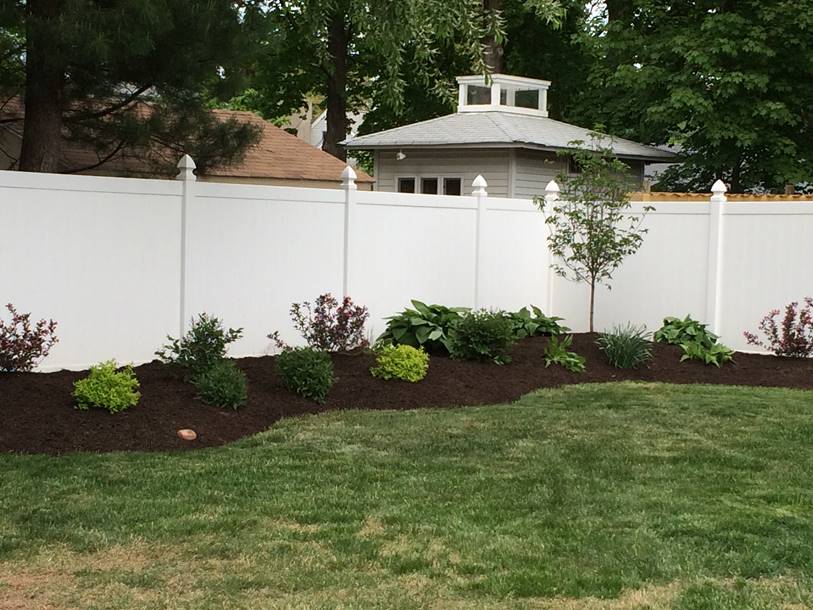
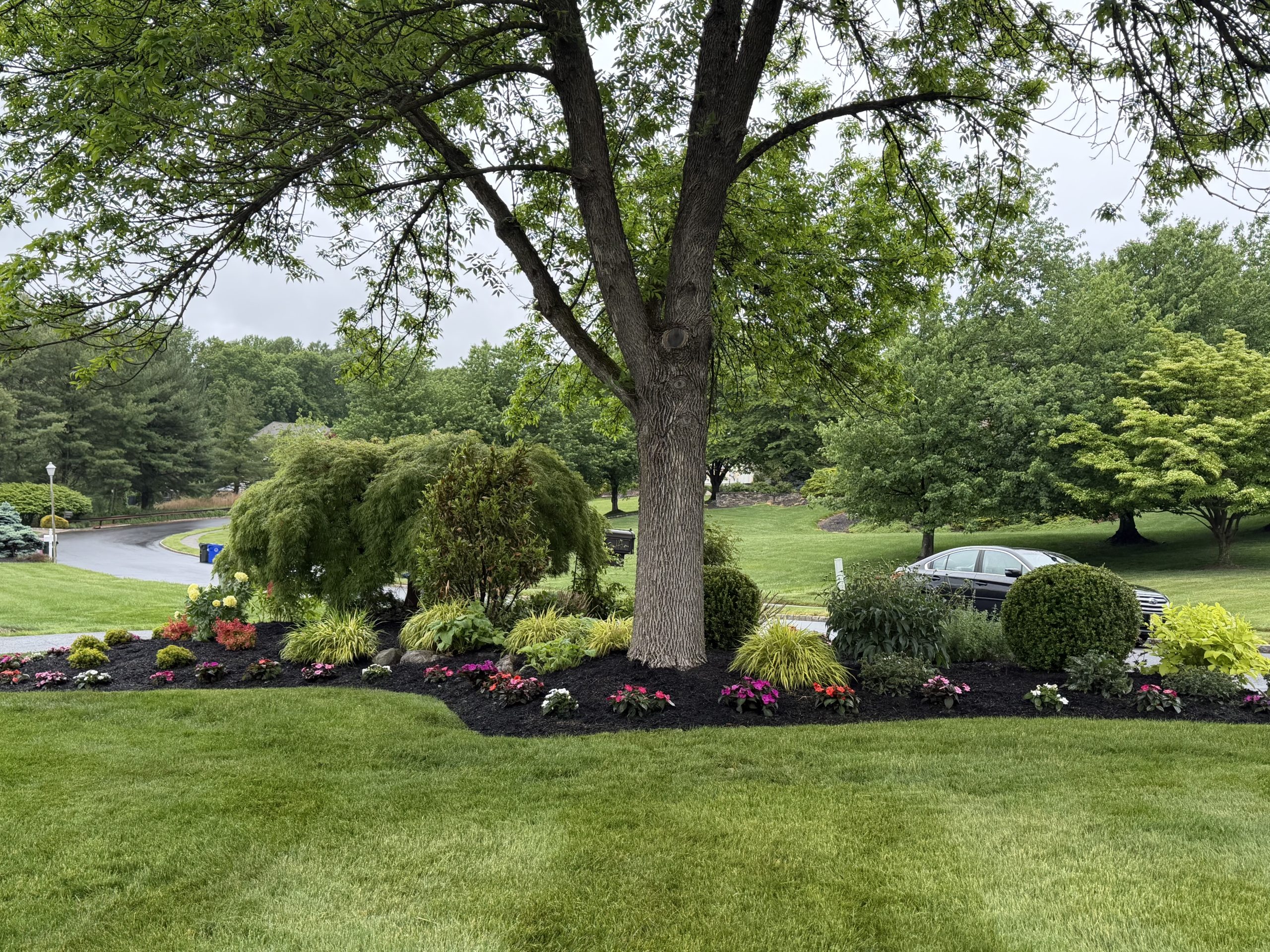
A tidy, healthy yard rarely happens by accident. Even the most attractive landscape is usually the result of small, regular decisions made over time, watering at the right moment, trimming before growth gets unruly, pulling weeds before they seed, and noticing when a plant is struggling before it fails outright. For beginners, that can sound like a lot. The good news is that landscape maintenance is much easier when you stop treating it as a grand project and start treating it as a rhythm.
Most neglected yards do not get that way because the owner lacks effort. They get that way because the work feels vague. People stand outside, see too many tasks at once, and do nothing because they are not sure where to begin. That is the first problem to solve. Once you learn what actually matters, and what can wait, the work becomes manageable.
The best beginner approach is simple: focus on plant health first, appearance second, and perfection not at all. A lawn with a few weeds but healthy soil is in better shape than a spotless bed full of stressed shrubs. Start with the basics, build observation skills, and let consistency do the heavy lifting.
Start by reading the yard you already have
Before you buy tools, fertilizers, or new plants, spend time looking closely at the space. This sounds obvious, but it is often skipped. A beginner who understands the yard will make better decisions than someone who rushes into weekend work without context.
Walk the property at different times of day. Notice where the sun hits longest, where water collects after rain, and which areas dry out fast. Check whether plants are crowded against the house or each other. Look for signs of stress such as yellowing leaves, sparse growth, bare patches in turf, exposed roots, or mulch piled against trunks. A lot of early landscape maintenance is simply noticing what the space is already telling you.
Pay attention to scale. A small foundation bed may need less than an hour of care each month. A large yard with mixed shrubs, trees, lawn, and hardscape can absorb many hours if not organized well. Beginners sometimes fail because they adopt a maintenance style designed for estate-sized landscapes when they really need a compact routine that fits a normal week.
If you recently moved into a home, resist the urge to remove everything that looks messy. Some plants rebound well after pruning and seasonal care. I have seen homeowners tear out mature shrubs that only needed thinning, fresh mulch, and a better watering schedule. Mature plantings have value. Give them a chance before replacing them.
The first tools worth owning
You do not need a shed full of equipment. You need a handful of dependable tools that make routine care easier and safer. Cheap tools often create more frustration than savings, especially pruners that crush stems instead of cutting cleanly or hoses that kink every few feet.
A beginner can handle most basic landscape maintenance with a few essentials:
- Bypass hand pruners for clean cuts on small stems
- A sturdy garden hose with a spray nozzle or watering wand
- A steel rake, not just a leaf rake, for debris and light soil work
- A hand trowel and weeding tool for beds and planting pockets
- Work gloves that protect your hands without ruining dexterity
If you have lawn, a mower matters too, but mower choice depends on yard size, terrain, and storage. For a small, flat lot, a simple push mower may be enough. For larger spaces, convenience often determines whether routine mowing happens on time. That matters more than brand loyalty.
Watering is where most beginners go wrong
New gardeners tend to overwater or water too often and too lightly. Both create weak roots. Plants do better when water reaches the root zone and then the soil is allowed to dry somewhat before the next irrigation. Frequent shallow watering encourages roots to stay near the surface, where heat and drought stress them faster.
Lawns usually benefit more from deep, less frequent watering than from daily sprinkling. Shrubs and perennials follow the same principle, though newly planted material needs closer attention than established plants. A plant installed last week and a shrub that has been in the ground for five years should not be watered the same way.
The easiest test is not technical. Put a finger into the soil a couple of inches down. If the surface looks dry but the soil below still feels cool and moist, watering can wait. If the soil is dry at depth and the plant looks dull or wilted in the morning, it probably needs water.
Timing matters. Early morning is usually best because temperatures are lower and leaves dry faster than they do in the evening. Watering late at night can contribute to disease pressure in some settings, especially where air movement is poor. Midday watering is not useless, despite how often that gets overstated, but more water will evaporate before it soaks in.
A practical example helps here. A newly planted hydrangea in summer might need a deep soak every two or three days during heat, depending on soil type and rainfall. An established boxwood nearby might need little supplemental water unless there is an extended dry spell. The beginner mistake is treating them as a matched pair because they sit in the same bed.
Soil does more work than fertilizer
Healthy landscapes are built from the ground up. If soil drains poorly, compacts easily, or lacks organic matter, plants will struggle no matter how carefully you trim them. That does not mean you need a full soil science education before getting started. It means you should respect soil as the foundation of every visible result.
Compacted soil is common around newer homes, especially where heavy equipment ran during construction. Turf in those areas often looks thin, and shrubs may stall instead of growing. In planting beds, adding a sensible layer of organic mulch helps regulate temperature, conserve moisture, and slowly improve soil as it breaks down. Mulch is one of the simplest upgrades a beginner can make, provided it is used correctly.
Keep mulch a few inches away from trunks and stems. Piling it into a mound around trees, the so-called mulch volcano, traps moisture against bark and can lead to rot, pests, or girdling roots. A flat, even layer usually around two to three inches deep is enough for most beds. More is not better.
Fertilizer deserves restraint. Many beginners assume every struggling plant needs feeding. Often it needs water, drainage improvement, pruning, or patience. Overfertilizing can create weak, overly lush growth or even burn roots. If you do fertilize, use products suited to the plant type and apply according to label directions. When in doubt, improve soil conditions first and fertilize second.
Weeds respond best to speed, not strength
Weed control feels overwhelming when weeds are already established. It feels manageable when you interrupt them early. That is why frequent, light maintenance beats occasional marathon sessions. Ten minutes pulling young weeds after a rainstorm often saves an hour of wrestling with deep roots a month later.
The trick is to know what you are pulling. Some weeds are annuals that spread mainly by seed. Others return from roots or runners and require more persistence. If you yank the top growth off a deep-rooted perennial weed but leave the crown intact, it will be back quickly. That does not mean you failed. It means weed control is often a process rather than a single event.
Mulch helps, but it is not magic. It suppresses many weeds by blocking light, yet weeds still arrive through windblown seed, bird droppings, and openings in the mulch layer. Landscape fabric can reduce some weed pressure, but in many residential beds it becomes a long-term nuisance as organic debris settles on top and weeds root into that layer anyway. For beginners, regular hand weeding combined with mulch is often the cleaner strategy.
One rule from experience: do not let weeds flower if you can help it. The difference between removing a few weeds today and hundreds of seedlings later is often just one missed week.
Pruning should solve a problem
People often prune for the sake of pruning. That is how good plants get hacked into bad shapes. Pruning should have a purpose, improving structure, removing deadwood, reducing risk, increasing air flow, or controlling size before a plant outgrows its spot.
Start conservatively. Remove dead, broken, or diseased branches first. Then step back and look at the plant’s natural form. If you cannot explain why a branch should come off, leave it for now. This is especially important with flowering shrubs. A beginner can remove next year’s blooms without realizing it if pruning happens at the wrong time.
Spring-flowering shrubs such as azaleas, lilacs, and some hydrangeas often set buds on older wood. If you prune them hard in late fall or early spring, you may get healthy foliage but very few flowers. Summer-flowering plants are often more forgiving. The point is not to memorize every species at once. It is to pause before cutting.
There is also a difference between pruning and shearing. Shearing creates a uniform surface, common with formal hedges. Pruning selectively removes branches to maintain health and shape. In many home landscapes, selective pruning produces a better long-term result. Shrubs allowed to keep their natural habit usually age better than shrubs forced into tight geometric forms that need constant trimming.
Lawn care becomes easier when expectations are realistic
For many homeowners, the lawn dominates the yard and absorbs most maintenance time. That can be fine, but it helps to separate a healthy lawn from a show lawn. A healthy lawn is dense enough to crowd out many weeds, reasonably even in color, and resilient under normal use. A show lawn demands higher inputs, tighter timing, and more tolerance for ongoing work.
Mowing alone has a huge effect. Cutting grass too short is one of the fastest ways to weaken it. Short grass exposes soil, dries out faster, and gives weeds an advantage. Most lawns perform better when taller rather than scalped, though exact height depends on grass type. If you do only one thing better this season, mow high and with a sharp blade.
Clippings usually do not need to be bagged unless they are excessively heavy or clumped. In ordinary conditions, returning clippings to the lawn recycles nutrients and saves time. That small shift can make weekly mowing less tedious.
Bare patches deserve investigation, not just https://ameblo.jp/cristianbhhg301/entry-12978175205.html seed. If grass repeatedly fails in the same area, ask why. Is there too much shade, compacted soil, pet traffic, poor drainage, or heat reflecting off pavement? Grass seed cannot solve a site problem by itself. Sometimes the smarter move is to reduce lawn area and plant a bed or groundcover instead.
Beds, edges, and cleanup create most of the visual impact
A landscape often looks cared for before every plant is thriving, simply because the edges are clean and the debris is gone. This matters for beginners because appearance can improve quickly even while deeper soil and plant issues are still being addressed.
A crisp bed edge between lawn and mulch makes a surprising difference. So does removing fallen branches, spent flowers, and blown leaves from corners where clutter collects. I have worked on properties where the plants were quite ordinary, but the landscape looked polished because the lines were clear and the surfaces were clean.
Deadheading, or removing spent blooms, can improve appearance and encourage repeat flowering on some annuals and perennials. It is not mandatory everywhere. Some seed heads are attractive, and some plants bloom just once regardless. Use judgment. If a plant looks tidier and performs better after deadheading, do it. If the fading flowers contribute texture or wildlife value, leave them.
A seasonal rhythm keeps work from piling up
Landscape maintenance gets easier when you tie tasks to seasons instead of waiting for visible chaos. Conditions vary by region, but the basic rhythm is broadly useful.
In spring, clean up winter debris, assess winter damage, refresh mulch if needed, and prune plants that benefit from early-season attention. This is also the time to catch weeds while they are small and soils are workable. Resist the urge to cut back everything immediately, especially if late frosts are common or beneficial insects are still using old stems.
Summer is mostly about observation, watering, mowing, and quick intervention. Heat exposes weak spots fast. Plants that seemed fine in spring may wilt, scorch, or show disease pressure by July. Summer maintenance is less about major renovation and more about staying ahead of stress.
Autumn is excellent for correcting problems. Cooler temperatures make planting easier for many trees, shrubs, and perennials. It is also a strong season for lawn repair in many regions, especially where cool-season grasses dominate. Leaf cleanup matters, but it does not need to be obsessive. The goal is to prevent smothering and excess moisture, not to strip every leaf the moment it falls.
Winter, in colder climates, is quieter but not irrelevant. This is when you can evaluate structure. Without dense foliage, you can see branch patterns, sight lines, drainage paths, and maintenance bottlenecks more clearly. It is also a good season to sharpen tools and decide what should be simplified next year.
Know when to keep it simple
Beginners often assume a better landscape requires more plants, more products, and more complexity. In practice, the easiest yards to maintain are usually designed with restraint. Repeating a few reliable plant types often works better than cramming in a dozen species with conflicting needs. Wide, accessible beds are easier to weed than narrow strips. A shrub planted where it can reach mature size needs far less pruning than one squeezed into the wrong corner.
If your current yard feels like too much, simplify before you intensify. Remove broken edging that never stays in place. Reduce tiny patches of lawn that are difficult to mow. Replace a fussy annual display with durable perennials or evergreen structure. Good landscape maintenance is not just about working harder. It is about reducing unnecessary friction.
A small anecdote from routine residential work: one of the most improved yards I saw did not gain a single new luxury feature. The owners widened two cramped planting beds, removed several random decorative items, grouped plants by water needs, and committed to twenty minutes of upkeep twice a week. Within a season, the property looked more coherent and took less effort to keep that way.
When to call a professional
Doing your own maintenance is sensible, but not every problem is a beginner problem. Large tree pruning, pesticide diagnosis, irrigation repairs, grading issues, and serious drainage problems can require trained help. The same goes for diseased trees near structures or limbs hanging over roofs, driveways, or power lines. Those are safety issues, not learning opportunities.
A professional can also save money when the issue is misdiagnosis. If a shrub is declining because of root damage, poor drainage, or an incompatible site, repeated fertilizing and watering will only waste time. Sometimes one paid site visit prevents a season of guesswork.
That said, you do not need to outsource everything. Many homeowners benefit from a hybrid approach. Hire out technical or hazardous tasks, then handle routine pruning, weeding, mowing, and cleanup yourself. That balance builds confidence without creating unnecessary risk.
The habit that changes everything
The single most useful beginner habit is a weekly walk-through with no agenda except noticing. Carry pruners if you like, or a small bucket for weeds, but the real point is attention. You will see the sprinkler head that is spraying the sidewalk, the branch rubbing the siding, the patch of lawn that stays soggy, the weeds beginning to seed, and the shrub that suddenly looks off-color.
Most major landscape problems do not appear overnight. They develop in small stages. A beginner who notices early often solves them with very little labor. A beginner who waits for a free Saturday in midsummer may face a discouraging pile of work.
Landscape maintenance becomes far less intimidating when you understand this basic truth: the yard does not need dramatic effort, it needs regular stewardship. Water deeply instead of constantly. Mulch correctly. Mow sensibly. Prune with purpose. Pull weeds early. Learn the patterns of your site. If you start there, today, the landscape will begin to meet you halfway.
Majestic Mowing & Landscaping LLC
Phone number: +19733975532
FAQ About Landscape Maintenance
What is landscape maintenance?
Landscape maintenance is the ongoing care, cleaning, and upkeep of outdoor green spaces to keep them healthy, safe, and attractive.
Is $100 an hour too much for landscape work?
An hourly rate of $100 is not too much for specialized or professional landscape work, though it sits at the higher end of the standard pricing spectrum.
How much do landscapers charge for maintenance?
For professional landscaping maintenance, homeowners typically pay $100 to $410 per month for recurring services, or an hourly labor rate of $50 to $100 per hour per crew member.