Landscape Maintenance Planning for New Landscapes
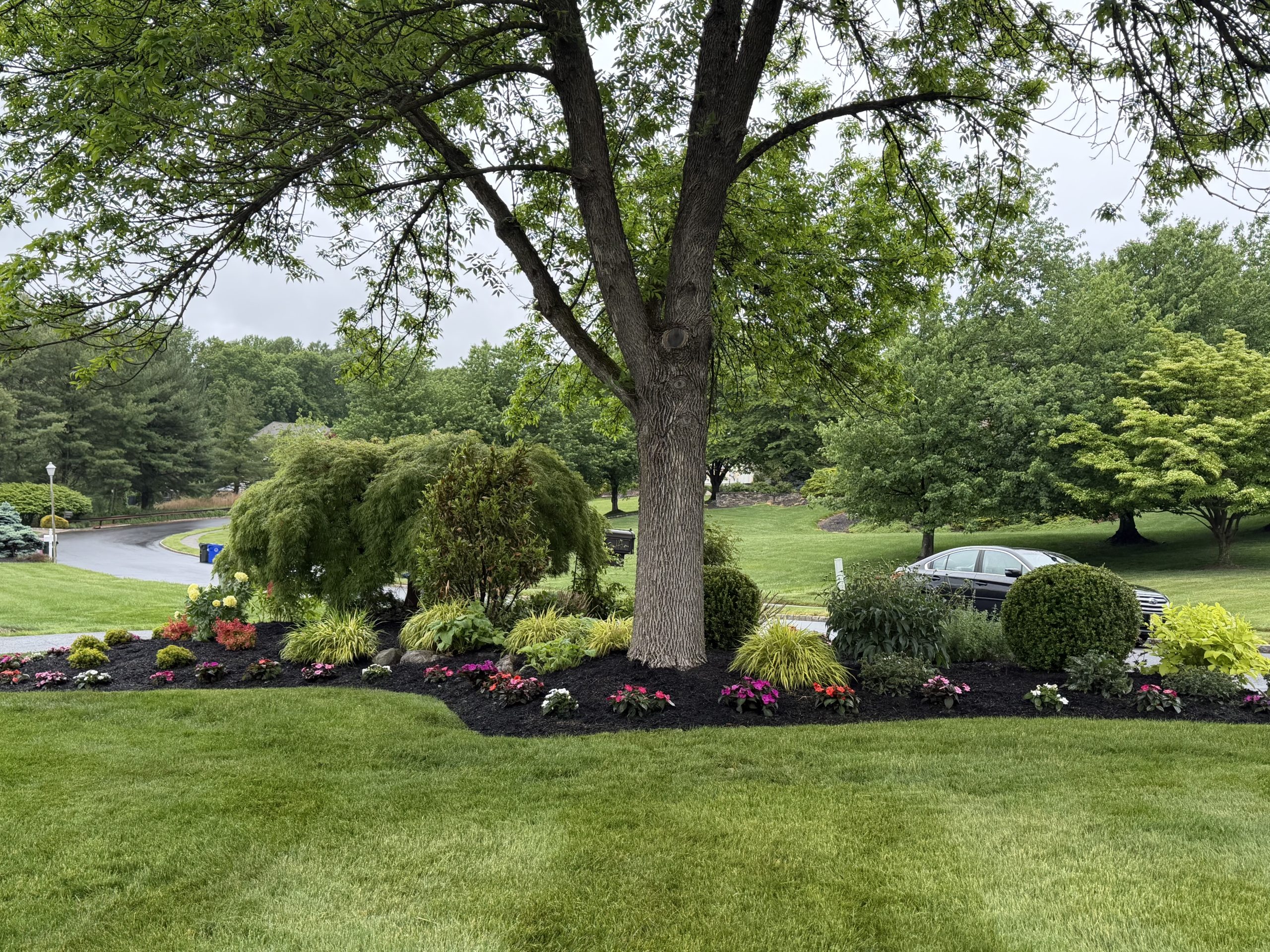
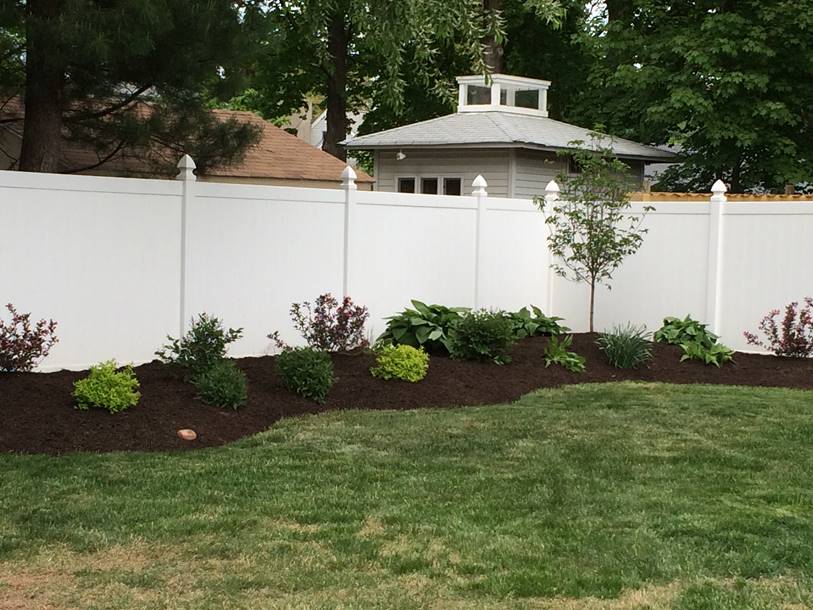

A new landscape rarely fails because the design was poor on paper. More often, it struggles because nobody translated that design into a maintenance plan that matched the site, the budget, and the speed at which living systems change. Fresh installations look finished the day the crew packs up. In reality, they are just beginning a demanding establishment period. Plants are adapting to transplant shock, roots are searching for oxygen and moisture, irrigation is settling into real-world performance, mulch is shifting, and weeds are already looking for open ground.
That gap between installation and establishment is where most problems start. I have seen expensive planting plans decline within one summer because the irrigation schedule never changed after startup. I have also seen ordinary plantings mature beautifully because the owner committed to a disciplined first-year maintenance plan. The difference was not luck. It was planning.
Landscape Maintenance for a new project has to be more deliberate than maintenance for a mature site. A mature landscape often tolerates missed pruning, a slightly uneven irrigation cycle, or a delayed fertilizer application. A new landscape does not. Young plants have smaller root systems, thinner canopies, and almost no margin for error. Hardscape elements are also settling into their first freeze-thaw cycles, rain events, and foot traffic patterns. If there is a weak point in the installation, the first year will expose it.
Start maintenance planning before installation ends
The best maintenance plans are written before the final walk-through, not a month later when stress symptoms start to show. At that point, small oversights have already become expensive corrections. During construction, everyone is still available to answer practical questions. The landscape architect knows the design intent. The irrigation contractor knows valve zones, operating pressures, and controller logic. The installer knows what substitutions were made in the field and which plant material arrived larger, smaller, or slightly different than specified.
That information matters more than many owners realize. A maintenance crew cannot care for a landscape properly if they inherit it as a visual object instead of a documented system. They need a clear plant list, irrigation as-builts if available, controller settings, soil amendment notes, drainage details, warranty terms, and any known problem areas. I have inherited sites where a shaded courtyard was planted as if it were a high-light exposure, but the maintenance team was never told the contractor had raised nearby walls late in the project. The result was a year of slow decline and unnecessary replacement. Documentation would have saved time and money.
A thoughtful handoff also prevents the classic blame cycle. Without a maintenance plan, the owner blames the contractor, the contractor blames the weather, and the maintenance crew blames the irrigation system. In truth, all three may share part of the story. Planning reduces that ambiguity.
The first year is not routine care
Many clients think maintenance begins with mowing, trimming, blowing, and occasional weeding. That is routine site care. Establishment maintenance is different. It is more observational, more adaptive, and more focused on plant health than appearance.
New trees illustrate the point. A mature tree in a developed landscape may need structural pruning every few years, occasional deep watering during drought, and inspection for pests or storm damage. A newly planted tree needs regular moisture monitoring at the root ball, staking inspection if supports were installed, adjustment of mulch depth around the trunk flare, and periodic correction of ties that can girdle bark if forgotten. On some sites, the first-season maintenance for trees is more about not doing harm than about visible grooming.
The same is true for shrubs and perennials. Freshly installed material often looks full and healthy because it came from a nursery with ideal irrigation and fertility. That appearance can hide a limited root spread. If the maintenance schedule is based on visual fullness instead of actual establishment needs, crews may water too little, too often, or too broadly. Frequent shallow watering encourages surface roots and weakens resilience. On the other hand, infrequent deep watering can fail if the original root ball dries out while surrounding soil remains damp. This is where experienced maintenance managers rely on probing the soil, checking root ball moisture by hand, and adjusting schedules zone by zone.
Water management drives most early success or failure
If I had to choose one maintenance priority for a new landscape, it would be irrigation oversight. Not irrigation hardware alone, but how water is actually being applied over time. Startup schedules are rarely correct for an entire season. They are a beginning, not a finished strategy.
New landscapes usually need more frequent irrigation at first, but that does not mean they need the same frequency everywhere. Slopes dry faster than level beds. Windy exposures lose moisture quickly. Clay soils hold water longer but may keep roots too wet if drainage is poor. Container annuals can need daily attention while nearby tree pits should never be watered on that rhythm. A good maintenance plan acknowledges these differences from the start.
The biggest irrigation mistake in new landscapes is assuming the controller tells the whole story. It does not. Broken heads, tilted nozzles, clogged emitters, low pressure, overspray onto pavement, and plant canopies that block distribution can all undermine an otherwise reasonable schedule. In the first few months after installation, I prefer frequent field checks, especially after major weather shifts. A week of cool, cloudy conditions can make a recently appropriate schedule excessive. A sudden heat wave can expose underperforming drip zones almost overnight.
Hand watering also deserves a realistic place in the plan. Many owners try to avoid it because it appears inefficient, but there are periods when hand watering is the cheapest insurance on the site. A tree that was installed slightly high, a bed at the end of a low-pressure drip line, or a narrow strip exposed to reflected heat from a wall may need direct attention for several weeks. Refusing that flexibility in the name of labor efficiency often leads to replacement costs that dwarf the saved hours.
Soil, mulch, and oxygen are part of maintenance too
When new landscapes decline, water is usually blamed first. Sometimes that is fair. Sometimes the deeper issue is soil condition. Roots need moisture, but they also need oxygen. A bed that stays constantly saturated, especially in compacted soil, can decline in a way that looks like drought to an inexperienced observer. Leaves wilt, growth stalls, and plants lose vigor. The reflex response is more water, which makes the problem worse.
This is why maintenance planning should include periodic soil inspection, not just irrigation review. Crews should know where imported topsoil was used, where heavy equipment compacted planting areas, and where drainage is marginal after storms. If water ponds around root zones for more than a short period, that should trigger a site review. I have seen brand-new shrub beds fail because a perfectly level finish grade trapped water against a curb with no outlet. The irrigation schedule was reduced three times before anyone admitted the problem was grading.
Mulch is another early variable that changes quickly. Right after installation, mulch often looks even and tidy. Within weeks, wind, rain, foot traffic, and irrigation can redistribute it. Volcano mulching around tree trunks remains a common problem, especially on sites where crews touch up appearance without checking plant health. A new maintenance plan should define acceptable mulch depth and explicitly protect trunk flare visibility. Two to three inches is a common target in many planting beds, but even that depends on material type and site conditions. The point is not the number alone. It is the habit of checking whether mulch is helping moderate soil temperature and reduce weeds without smothering crowns and trunks.
Pruning should be restrained in the establishment phase
There is often pressure to make a newly installed landscape look crisp as quickly as possible. That pressure comes from property managers, homeowners, and sometimes maintenance crews who take pride in a manicured finish. The risk is that aggressive pruning can interrupt establishment at exactly the wrong moment.
New shrubs and young trees need foliage to produce energy. Unless there is broken material, rubbing branches, clear structural defects, or specific visibility concerns, pruning should be modest at first. I have watched sites lose a full season of root development because crews repeatedly sheared shrubs to maintain a tight outline. The plants survived, but they stayed shallow-rooted and water dependent much longer than they should have.
Perennials require similar judgment. Some species benefit from deadheading or selective thinning, while others need time to settle without constant correction. Maintenance planning should identify which plant groups are expected to look sparse, floppy, or uneven in their first season. That expectation matters. If everyone understands the temporary appearance is normal, crews are less likely to over-prune and owners are less likely to panic.
Trees deserve special attention. Structural pruning in the first few years can be valuable, but it should be done deliberately and by someone who understands long-term branch architecture. Removing too much live crown from a young tree, especially after transplanting, can slow establishment and invite stress. This is not where speed should outrank skill.
Weed control is easier when the plan is honest
Weed pressure in new landscapes is almost always underestimated. Freshly disturbed soil, open planting spaces, irrigation, and sunlight create ideal germination conditions. Even sites with pre-emergent programs and mulch coverage can flush with weeds in the first season.
The mistake is promising a weed-free landscape instead of planning for weed management. Those are not the same thing. In practice, a new landscape needs frequent monitoring, rapid removal of opportunistic weeds before seed set, and realistic labor allocation. If the maintenance budget assumes mature-site weeding intervals, the site will get away from the crew quickly.
There is also a judgment call between hand weeding, chemical control, and mulch renewal. On some high-profile beds, hand weeding is appropriate because it protects young ornamentals and preserves a polished appearance. On larger commercial sites, spot treatment may be more practical when done carefully and by trained staff. Neither approach works well if weeds are allowed to mature. Timing is everything.
I still remember a municipal project where the installation was excellent, but the opening budget had almost no allowance for first-year weed control. By midsummer, annual weeds were taller than the ornamental grasses in several beds. Residents assumed the landscape had failed, even though the planted material was healthy underneath. The city ended up paying for emergency cleanup, and the public impression took longer to repair than the planting itself.
Budgeting for maintenance requires realism, not optimism
One of the hardest conversations in a new landscape project happens after the capital budget is approved. Everyone has energy for design and construction. Fewer people want to hear that the first year of Landscape Maintenance may cost more per month than years three through five.
That is still the truth. New landscapes need more site visits, more irrigation tuning, more plant-by-plant observation, more replacement decisions, and more owner communication. If a project includes containers, annual color, specialty lawns, green walls, roof decks, or intricate irrigation, the need rises further. Trying to force a first-year site into a mature maintenance budget is one of the fastest ways to lose plant material.
It helps to separate establishment costs from standard maintenance costs. Once clients understand that the first year is a transitional phase with a specific endpoint, they are more open to funding it properly. I often explain it this way: the installation budget bought the materials and the arrangement, but the first year of maintenance determines whether those materials become a functioning landscape or a replacement program.
Replacement reserves should also be discussed honestly. Even with excellent installation and attentive care, some losses are normal. Plants are living material, weather is unpredictable, and site variables are never perfectly controlled. The right target is not zero mortality. The right target is low, explainable mortality with quick corrective action.
Maintenance plans should match the type of landscape
Not all new landscapes ask for the same management style. A formal entry garden, a native restoration edge, a residential backyard, and a mixed-use urban streetscape can all be newly installed, yet each needs a different maintenance philosophy.
Formal landscapes usually require stricter aesthetic standards. Edging, uniform irrigation, grooming, and consistent spacing matter because the design intent depends on order. Native or ecological landscapes often look less controlled in the first year, but they may need even more knowledgeable care. The challenge there is knowing what to remove, what to leave, and when to intervene without destroying the intended plant community. I have seen well-meaning crews mow down emerging native perennials because they mistook them for volunteer weeds. A maintenance plan for that kind of site should include plant identification support and seasonal expectations.
Residential landscapes add another layer because owners interact with them daily. They notice individual leaves, irrigation noise, and small gaps in a way that commercial clients often do not. That can be helpful if they report issues early, but it can also create pressure for cosmetic responses that are not good for establishment. Clear communication helps keep everyone aligned.
Build inspections into the calendar, not just the contract
A maintenance contract that only lists tasks is incomplete. New landscapes benefit from scheduled inspection points where someone steps back from routine work and evaluates the site as a whole. In practice, that means looking at patterns, not isolated symptoms.
A tree dying at the corner of a lot may be bad luck. Five trees declining along the same exposure usually signal a systemic issue. A few dry perennials may reflect species sensitivity. An entire hydrozone that looks uneven suggests a water delivery problem. Without periodic review, crews can spend months treating symptoms one plant at a time while the larger cause remains untouched.
At minimum, I like to see planned evaluations at roughly thirty days, ninety days, six months, and one year after installation, with more frequent irrigation checks in between. Those reviews should address plant vigor, irrigation performance, drainage behavior, weed pressure, mulch condition, pruning needs, warranty items, and any mismatch between design expectations and actual site behavior. Written notes matter. Memory is unreliable, especially when multiple parties are involved.
Seasonal change can expose flaws that were invisible at turnover
A new landscape installed in spring has not yet faced summer heat. One installed in fall has not yet dealt with winter desiccation, frost heave, or saturated soils. Maintenance planning has to anticipate those tests before they arrive.
Summer exposes irrigation uniformity, reflected heat stress, and inadequate mulching. Autumn reveals whether leaf cleanup methods are damaging groundcovers or compacting beds. Winter can loosen newly planted root balls, especially in https://eduardorolt964.publishlane.com/posts/eco-friendly-landscape-maintenance-methods-that-really-work-2 colder regions, and can injure broadleaf evergreens in exposed locations. Spring exposes drainage failures and delayed plant losses from the previous season.
I once worked on a site where everything looked strong through late autumn, then a dry winter wind burned a row of evergreen shrubs along a corner lot. The owner initially treated it as a nursery quality problem. The real issue was exposure. The maintenance plan for the next phase included anti-desiccation measures in selected areas, deeper late-fall watering, and a review of species choices at that corner. That sort of correction only happens when seasonal performance is part of the planning conversation.
Communication is a maintenance tool
Some of the most effective maintenance work is not physical labor. It is communication that keeps the owner, contractor, and maintenance team working from the same understanding. New landscapes change visibly and sometimes unpredictably. Without context, normal establishment behavior can look alarming, and genuine problems can be overlooked because everyone assumes they are temporary.
A strong maintenance plan defines who reports what, how quickly site issues are escalated, and who has authority to adjust irrigation schedules or approve plant replacements. It should also set expectations around appearance. A new perennial bed may not be full in its first season. A recently planted tree may put more energy into roots than top growth. A native meadow may look weedy before it knits together. None of that is failure if it aligns with the plan.
Clients appreciate candor. They would rather hear in advance that a site may need three irrigation adjustments in June than be surprised by wilt in the first hot week. They would rather know that some replacement material may not be available until the next planting window than receive vague promises. Maintenance planning is partly horticulture and partly expectation management, and the second piece is often underestimated.
What a successful first year really looks like
A well-maintained new landscape does not necessarily look perfect every week. It looks observed, adjusted, and steadily more stable. Plants begin to push new growth that reflects site adaptation rather than nursery carryover. Irrigation schedules become less reactive and more refined. Weed pressure starts to ease as beds fill in. Tree stakes come off when they are no longer needed. Replacement decisions become the exception rather than the routine.
That is the goal, not a frozen showroom appearance. The first year is about helping the landscape transition from installed material to rooted place. When maintenance planning respects that process, the site usually rewards the effort for years. When it does not, even a beautiful design can unravel faster than most owners expect.
The strongest projects treat maintenance as part of the original work, not an afterthought assigned to whoever shows up with a mower. That shift in mindset changes everything. It protects the investment, improves plant survival, reduces conflict, and gives the landscape a real chance to become what it was designed to be.
Majestic Mowing & Landscaping LLC
Phone number: +19733975532
FAQ About Landscape Maintenance
What is landscape maintenance?
Landscape maintenance is the ongoing care, cleaning, and upkeep of outdoor green spaces to keep them healthy, safe, and attractive.
Is $100 an hour too much for landscape work?
An hourly rate of $100 is not too much for specialized or professional landscape work, though it sits at the higher end of the standard pricing spectrum.
How much do landscapers charge for maintenance?
For professional landscaping maintenance, homeowners typically pay $100 to $410 per month for recurring services, or an hourly labor rate of $50 to $100 per hour per crew member.